 Skip to main content



In the lead up to the 2012 presidential election, mention of—much less discussion about—the environment was noticeably absent. President Barack Obama said that climate change is "one of the biggest issues of this generation" in September, but in months of campaigning it hardly came up. To the dismay of environmentalists, he didn't raise the subject once during the three debates with Mitt Romney—the first time since 1984 that neither candidates nor moderators broached the topic in a presidential debate. The politician who did the most to bring global warming into the race for the White House was New York Mayor Michael Bloomberg, who made it the focus of his endorsement of Obama in the aftermath of Hurricane Sandy.
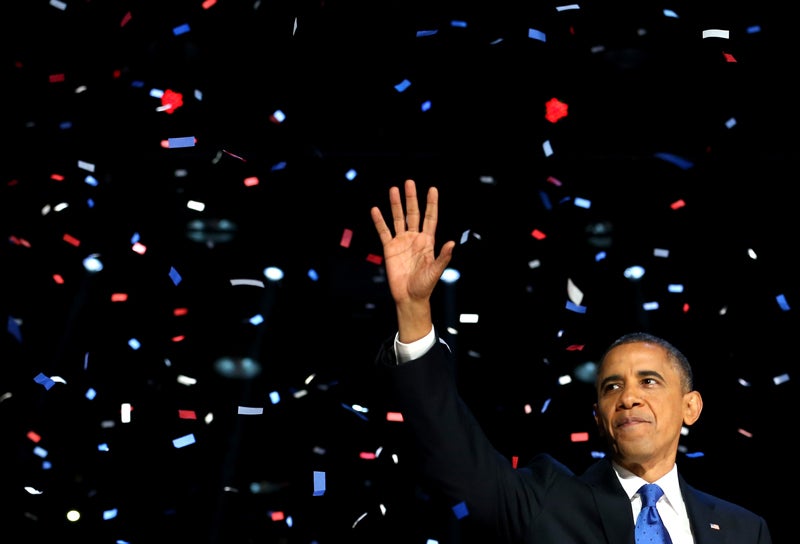
His second term secured, Obama did touch on climate change in his acceptance speech early this morning. "We want our children to live in an America that isn't burdened by debt, that isn't weakened by inequality, that isn't threatened by the destructive power of a warming planet," he told supporters in Chicago.
Now, after so many months of silence on critical environmental issues, and with the president defending the coal industry during the campaign, there are many questions about Obama’s aims for the next four years. Audubon’s exclusive responses from the president may shed some light. President Obama provided written answers to 10 questions submitted to the campaign during the heat of the election season about climate change, energy policy, and other issues of interest to Auduboners.
What are your plans to address climate change?
Climate change is the one of the biggest issues of this generation, and we have to meet this challenge by driving smart policies that lead to greater growth in clean energy generation and result in a range of economic and social benefits. Since taking office I have developed historic fuel efficiency standards that will limit greenhouse gas emissions from our vehicles for the first time in history. My administration has made unprecedented investments in clean energy, proposed the first-ever carbon pollution limits for new fossil-fuel-fired power plants, and helped lower carbon emissions significantly within the Federal Government. Since I took office, the U.S. is importing an average of 2.6 million fewer barrels of oil every day, and our dependence on foreign oil hit a 16-year low. We are also showing international leadership on climate change, reaching historic agreements to set emission limits in unison with other emerging powers. I will continue these efforts to create an economy built to last—investing in clean energy, holding polluters accountable, and reducing our carbon impact.
What role do you see wind, solar, and other renewable energy sources playing in our energy future?
I know the country that harnesses the power of clean, renewable energy will lead the global economy in the 21st century. That’s why I have made the largest investment in clean energy and energy efficiency in American history and proposed an ambitious Clean Energy Standard to generate 80 percent of our electricity from clean energy sources like wind, solar, clean coal, and natural gas by 2035. Since taking office, electricity from wind and solar sources has already doubled in the United States. I am also calling on Congress to support incentives for clean energy that drive innovation and support clean energy manufacturing jobs across the country. We are boosting our use of cleaner fuels, including increasing the level of ethanol that can be blended into gasoline and implementing a new Renewable Fuel Standard that will save nearly 14 billion gallons of petroleum-based gasoline in 2022. Because of these actions, we are positioning the U.S. to be a world leader in the clean energy economy.
The Coast Guard, the United States Geological Survey, the Government Accountability Office, and hundreds of scientists say the industry is not prepared to drill safety in Artic waters. What is your position?
In order to lower our dependence on foreign oil and help families save at the pump, safely and responsibly expanding domestic oil production is part of my all-of-the-above energy strategy. However, I have insisted that we implement a balanced and careful approach to offshore development that addresses environmental concerns; the social, cultural, and subsistence needs of local communities, and resource constraints. The Arctic is a unique ecosystem—that’s why my administration has put together a targeted leasing plan that sets a new standard for considering the environmental and safety challenges of the Arctic and diminishing risks. This plan minimizes possible conflicts with environmentally sensitive areas and the native Alaskan communities that rely on the ocean for subsistence use. It integrates heightened safety requirements and considerations that will employ the highest possible level of caution in this important ecological and natural resource.
Would you permit drilling in the Arctic National Wildlife Refuge, and what will you do to protect sensitive areas like Teshekpuk Lake in the National Petroleum Reserve-Alaska?
My administration has no plans to allow drilling in the Arctic National Wildlife Refuge. I am committed to protect and conserve wildlife and their habitat on sensitive public lands with exceptional ecological value. The Arctic Wildlife Refuge is among the most profoundly beautiful places in America and would not permit drilling in one of American’s greatest treasures. We are actively considering options to protect the Teshekpuk Lake area of the National Petroleum Reserve-Alaska, which is home to the northern hemisphere’s largest concentration of nesting migratory birds and is a unique habitat for a number of species important to Alaskans and native populations.
How will you ensure oil drilling for natural gas, including fracking, doesn’t lead to long-term damage or the permanent poisoning of our water supplies and habitat?
To ensure that hydraulic fracking is done in a safe and responsible manner, my administration has proposed a number of safeguards to protect against water and air contamination. This includes proposing commonsense requirements for companies to protect drinking water sources across 750 million acres of public and tribal lands. It would require companies to publicly disclose chemicals used in hydraulic fracturing, manage their wastewater and safeguard drilling wells from leaking. We’ve also issued standards that will require operators of natural gas wells to capture smog-forming pollutants and air toxics that otherwise escape the well. These standards will ensure that we capture 95 percent of the harmful emissions from these wells that previously polluted our air and threatened our climate and will also allow operators of these wells to increase their bottom line by selling the additional captured gas.
In your administration, what role will the EPA play protecting our air and water?
My commitment to protecting public health and the environment is unwavering. Under my leadership, my administration is working hard to make sure that the air we breathe and the water we drink is safe. America prospers when we're all in it together and everyone plays by the same rules, which is why we are holding polluters accountable. Recently, we implemented the first national standards to cut down on mercury and other toxic air emissions from coal- and oil-fired power plants. It will make our air cleaner and families healthier, and it will save up to 11 thousand lives each year. EPA is also cleaning up contaminated sites in communities across the country, helping to rid neighborhoods of environmental blight while putting Americans back to work. I have also made historic investments to restore our rivers and coasts, from the Chesapeake Bay to the Gulf Coast, and the Great Lakes to the Everglades. We also developed a first-of-its kind National Ocean Policy for the U.S. designed to protect and enhance our oceans and restore our coastal areas. Under my Presidency, the EPA will continue to protect the environment not just for our children but their children.
The Keystone XL pipeline would transport what some consider to be the dirtiest oil in the world and cause destruction of boreal forest in the process. Will you allow it to be built?
There are a number of sensitive issues involved in the consideration of the Keystone pipeline, demanding a fair and full assessment. My administration is conducting a thorough assessment that takes into consideration issues of public health and safety, environmental health, along with American energy security and economic factors. We will work with Nebraska and other states to conduct a rigorous, transparent and thorough review, which takes into account potential impacts on public health and natural resources. I am committed to reducing our reliance on foreign oil in a way that benefits American workers and businesses without risking the health and safety of the American people and the environment.
Audubon data shows even bird species we consider common today are adapting slowing to climate change and losing ground, with some falling as much as 68 percent in the past 40 years. How would you use laws like the Endangered Species Act and Migratory Bird Treaty Act to address this trend?
From the Arctic to the Everglades, impacts like rising sea levels, warmer temperatures, loss of sea ice, and changing precipitation patterns are affecting the species we care about, the services we value, and the places we call home. We have an obligation to safeguard our nation’s natural heritage in a changing world. Laws like the Endangered Species Act or the Migratory Bird Treaty Act guide my administration in helping to protect endangered and threatened species and pursue their recovery. In addition to preserving bird habitat by protecting wetlands, my administration has also taken direct steps to reduce the negative impacts of climate change on fish, birds, other wildlife, plants, and the natural systems upon which they depend. My administration is collaborating with state, local and tribal partners to release the first climate adaptation strategy for fish, wildlife, and plants. The strategy will provide a unified approach to ensure the sustainability of our many ecological, economic, and recreational resources.
Does protecting the environment cost jobs or create jobs?
As I have said many times, unfortunately, there will always be people in this country who say we’ve got to choose between clean air and clean water and a growing economy, between doing right by our environment and putting people back to work. I believe this is a false choice. Under my leadership, we have made historic investments in clean energy that have supported nearly a quarter million jobs, and we will continue to support a clean energy economy that has the potential to become part of a $2.3 trillion global market. The same environmental regulations that are cleaning up our air are also creating tens of thousands of jobs. With smart, sustainable policies, we can grow our economy today and protect our environment for ourselves and our children.
What would you like your environmental legacy to be?
From investing in clean energy to protecting our air, land, and water, I have made protecting the environment a top priority. I am pursuing an energy strategy that responsibly develops our natural resources to create clean energy jobs here at home while encouraging conservation, reducing energy waste and protecting the environment. I have taken historic steps to protect our children and communities from harmful pollution by restoring and advancing safeguards for clean air and water and by taking steps to reduce carbon pollution. My administration is also restoring treasured landscapes like the Great Lakes, the Florida Everglades, and local wilderness areas.
I also want to be remembered for implementing ideas that preserve our environment, protect our bottom line, and connect more Americans to the great outdoors. Because even in times of crisis, we’re called to take the long view to preserve our national heritage—because in doing so we fulfill one of the responsibilities that falls to all of us as Americans, and as inhabitants of this same small planet. I feel an abiding bond with the land that is the United States of America.